AI translation is advancing fast, but not all languages benefit equally. Major languages like English, Spanish, and French have plenty of digital resources, while many regional dialects and less-resourced languages have often been overlooked.
This is beginning to change. Advances in AI research and machine translation now include tools for Moroccan Darija, more research on lower-resource language pairs, and new methods for testing translation quality.
These changes don’t mean that every language now has strong AI support. Still, they show progress and raise important questions about the future of translation. Here are five key developments.
1. AI tools are being developed for Moroccan Darija
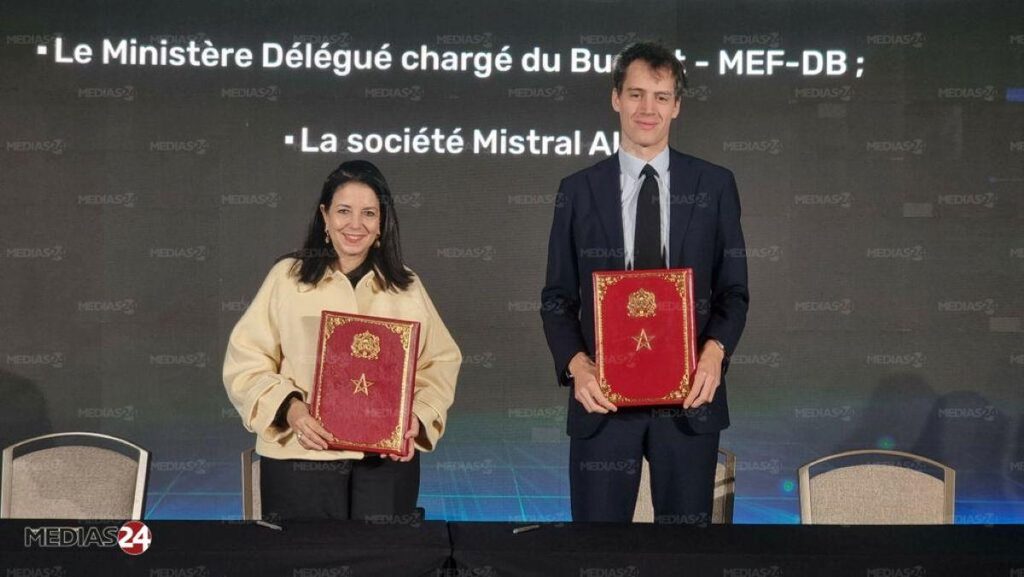
In September 2026, Morocco’s Ministry of Digital Transition and Administrative Reform announced new AI tools developed in partnership with Mistral AI.
The open-source tools include a dialect classifier and a speech recognition system made for Moroccan Darija. The speech recognition tool also handles code-switching between Darija, French, and English, reflecting how people often switch languages in daily conversations.
This is important because dialects can be especially challenging for AI systems. They often have fewer written training resources, can differ significantly from standard written forms, and may use expressions or cultural references that are hard to understand without local knowledge.
Creating tools specifically for Darija helps meet the expectation that general-purpose systems work equally well across language varieties.
Why it matters: AI language technology needs to reflect how people actually speak, not just how languages are formally written. Tools designed for regional dialects could make speech recognition and other language technologies more useful to historically underserved communities.
Read more: Morocco’s Ministry of Digital Transition announcement.
2. Machine translation evaluation is putting more emphasis on human judgment
Machine translation systems are usually judged with automated metrics that compare their output to reference translations. These metrics help researchers assess performance at scale, but they don’t always capture meaning, tone, cultural nuance, or naturalness.
The 2026 Conference on Machine Translation (WMT26) is trying a new way to evaluate submitted systems. Its translation task now includes human evaluation of main submissions, instead of relying only on automatic assessments to filter systems first.
Human evaluation matters because a translation might look good to an automated metric but still have errors that affect meaning or readability. People can judge if a translation gets the message across and spot issues that numbers might miss.
This is especially important for languages with fewer reference translations or less developed evaluation resources. Still, human evaluation alone doesn’t guarantee equal assessment for all language pairs. Evaluator quality and availability also matter.
Why it matters: Better evaluation helps researchers see where machine translation works well and where it doesn’t. It also highlights the value of human judgment in checking translation quality.
Read more: WMT26’s machine translation task.
3. Research is expanding into more language pairs and translation tasks
WMT26 also highlights translation challenges beyond the most commonly studied language pairs.
Its research tasks cover translation for lower-resource Indic languages; Arabic and Asian languages; Chinese and Southeast Asian languages; and Creole languages. There’s also a task for translating video subtitles.
The Creole machine translation task stands out because it aims to involve researchers from Creole language communities. Creole languages are often overlooked in mainstream language technology, even though millions of people speak them worldwide.
The Arabic-to-Asian language task includes languages like Bangla, Hindi, Indonesian, and Urdu. These combinations matter because translation technology is often better for some language pairs than others. A system that works well for English and a major European language might perform worse for less-supported pairs.
Expanding research in these areas lets researchers explore the challenges, share ideas, and see where more work is needed. It doesn’t mean that reliable, ready-to-use translation tools exist for every language yet.
Why it matters: Progress in AI translation isn’t just about improving the most used languages. Researching a wider range of language pairs is a key step toward more inclusive language technology.
Read more: WMT26’s research tasks and the Creole machine translation task.
4. New benchmarks are testing where machine translation still struggles
As AI translation systems get better, it’s important to know not just what they can do, but also where they still make mistakes.
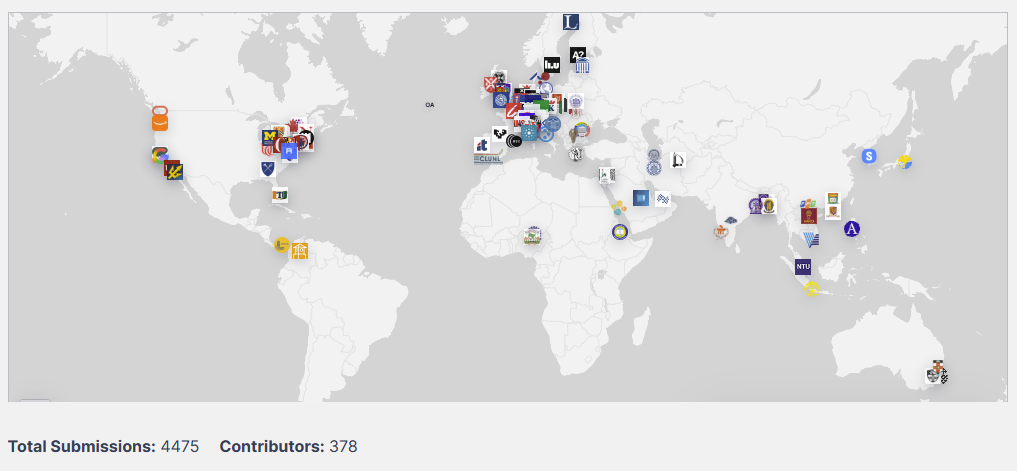
The Last Translation Benchmark (LTB) tests machine translation systems with tough examples in many languages. Its first version has 3,456 examples in 109 languages, with human-written examples and checks to verify translation quality.
Instead of using only simple sentences, tough examples can reveal weaknesses that might otherwise be missed. These might be subtle differences in meaning, unclear wording, language-specific phrases, or other cases where a fluent translation doesn’t really capture the original message.
A benchmark that can be updated over time lets researchers see how systems perform as they change. Still, no single benchmark can cover every language, dialect, subject, or real-world translation situation.
Why it matters: More challenging, varied evaluation data can reveal gaps in machine translation quality. For linguists and localization professionals, it’s a reminder that fluent output isn’t always accurate.
Explore the Last Translation Benchmark.
5. Demand for human translation and post-editing continues
AI translation is getting better, but organizations still need people to review machine-generated content and create accurate translations for specific needs.
A recent procurement notice from the United Nations Global Marketplace shows this ongoing need. The World Intellectual Property Organization (WIPO) looked for suppliers to work on patent documents in French, German, Russian, and Spanish, including human post-editing of machine translations and translating documents from images.
The tender closed in October 2026, so it’s no longer open. Still, it’s a good example of how large organizations can use both machine translation and human expertise, especially when documents have specialist terms and accuracy matters.
Patent translation is a very specialized field. Even if AI produces a helpful first draft, reviewers still need language skills and subject knowledge to spot errors, preserve technical meaning, and ensure the final text is suitable.
The same principle applies more broadly across localization. The level of human involvement will vary depending on the language, content, intended audience, and consequences of an error.
Why it matters: AI doesn’t remove the need to assess translation quality. In many situations, human linguists remain essential for checking meaning, terminology, context, and accuracy.
Read more: WIPO’s procurement notice.
What these developments mean for freelance linguists
Overall, these developments show a greater focus on language coverage, translation quality, and the limits of today’s AI systems.
But that doesn’t mean every dialect or less-resourced language is now well supported. Many still face major challenges, including limited training data, missing terminology, and difficulty capturing cultural context. Research progress doesn’t always lead to reliable tools ready for daily professional use.
For freelance linguists, these gaps are worth watching. Skills in regional dialects, less-resourced languages, specialist subjects, and cultural nuance are especially valuable when general AI tools have trouble.
Linguists may also find chances to help develop and test language technology by doing translation assessment, creating data, working on terminology, or post-editing, depending on their languages and skills.
As AI translation keeps improving, the real question isn’t just how fast a system can translate. It’s about how well it understands the language, context, and the people it’s translating for.
For the language industry, progress is about more than just making AI faster. It’s also about knowing where it works, where it doesn’t, and what expertise is needed to fill the gaps.