

When the clocks go back and days get shorter, many home-based linguists start and finish work with less natural light. In much of North America and Europe, winter brings fewer daylight hours, darker afternoons, and more reasons to stay inside.
For freelancers who work alone at a desk, this change is about more than just turning on another lamp. Less daylight can affect your sleep, mood, energy, and focus, making it harder to keep a comfortable, productive routine.
The good news is that a few small changes to your workspace and daily habits can make winter easier to handle. Here are five practical tips to keep your home workspace bright and your energy up as winter approaches.
1. Get daylight early, before the workday eats it

It’s easy to roll out of bed, grab a coffee, and go straight to your laptop, especially with deadlines or clients in other time zones. But getting some natural light early in the day is one of the simplest ways to support your body’s internal clock.
Morning daylight helps set your sleep-wake cycle, which affects how alert you feel during the day and how easily you fall asleep at night. Even a short walk, breakfast by a bright window, or a few minutes outside before work can help.
For freelance translators and interpreters with international clients, an early morning routine can help set a boundary between personal time and work. Instead of checking emails or replying to messages right away, give yourself time to wake up first.
Try this: Make it a habit to get outside for 10 to 15 minutes each morning. If the weather is bad, sit by a bright window while you eat breakfast or plan your day. Consistency matters more than spending a long time.
2. Move your desk closer to a window
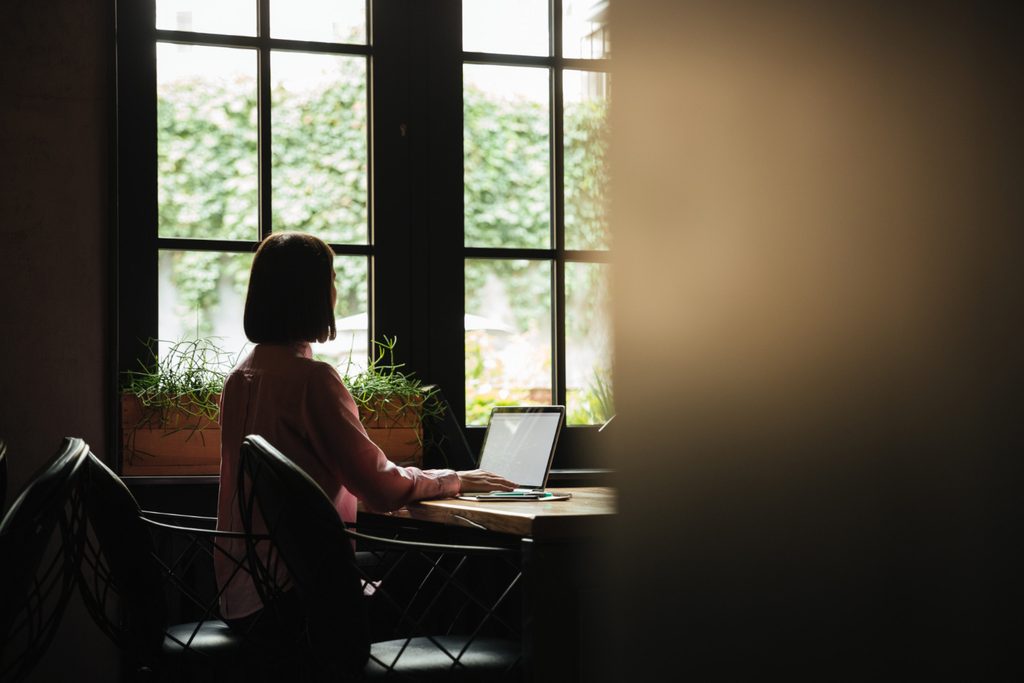
Your workspace can really affect how you feel during the day. If your desk is in a dark corner or facing a wall, you might be missing out on natural light.
If you can, move your desk near a window to get more daylight while you work. Putting the window to the side of your monitor lets in light without causing too much glare. Light-coloured curtains or blinds can also help bring in more daylight.
Not everyone has a separate home office or a room with lots of natural light. If you work in a smaller space, even moving your desk a little or changing its direction can bring in more light.
It’s also helpful to think about how your workspace feels overall. A tidy desk, light wall colors, and a few plants can make your room feel more welcoming, especially when it’s grey outside.
Try this: Look at your workspace and see if moving some furniture could bring in more daylight. If you can’t move your desk, add a small desk lamp to brighten dark spots.
3. Consider a light box for the darkest months
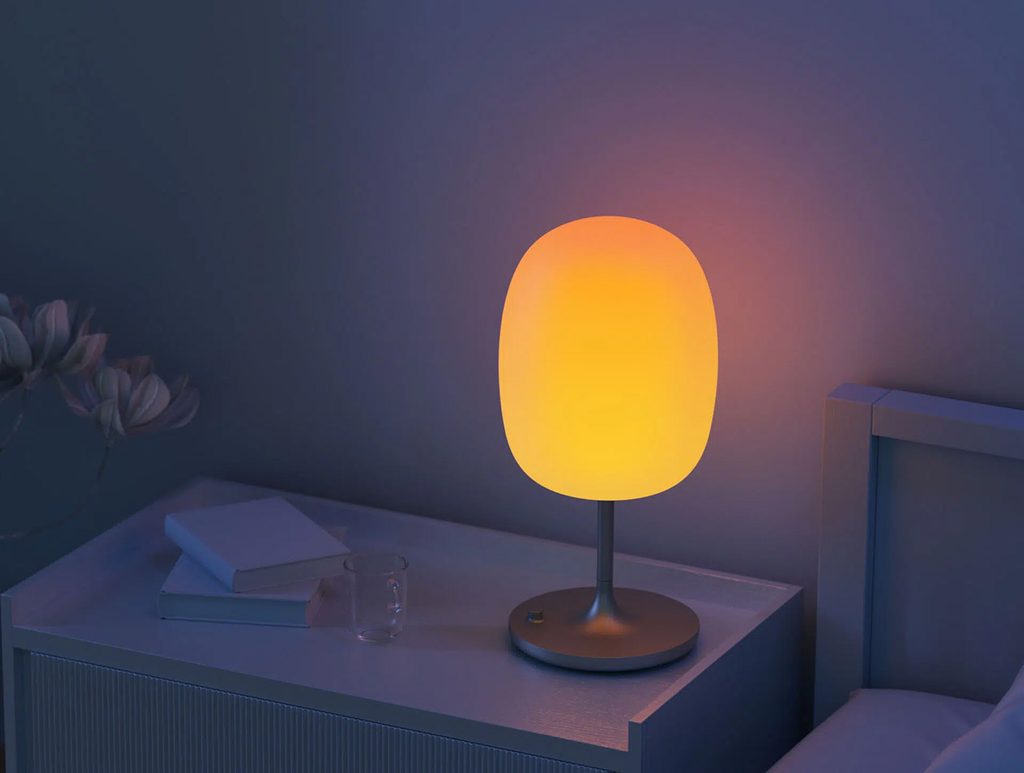
When there’s less natural daylight, artificial lighting can make your workspace more comfortable. But not all lighting works the same way.
A bright light therapy box is worth considering, especially if you notice big changes in your mood or energy during the darker months. These devices give off much brighter light than regular lamps and are often used in the morning as part of a light therapy routine.
Choose a proper light therapy device and follow the instructions. Light therapy isn’t right for everyone, especially if you have certain eye conditions or take medications that make you sensitive to light. If you have ongoing low mood, tiredness, or other symptoms that affect your daily life, talk to a healthcare professional instead of relying only on a light box.
If you just want to improve your everyday workspace lighting, a regular option might be enough. A good desk lamp with adjustable brightness and a daylight bulb can make reading, editing, and reviewing translations more comfortable.
Try this: Use different types of lighting instead of just one overhead light. Mixing natural light, a desk lamp, and softer ambient lights can make your workspace more comfortable all day.
4. Build in a real midday break outdoors

One of the best things about working from home is skipping the commute. But without that trip to and from the office, it’s easy to spend the whole day inside.
In summer, you might go outside for a walk or have coffee in the garden. But when it gets colder and darker, those outdoor moments can easily slip out of your routine.
Taking a real midday break can help. Spending 10 to 20 minutes outside lets you step away from your screen, stretch your legs, and get some daylight. A short walk can also clear your head after a tough translation project or a busy morning of interpreting.
Try to keep your break separate from work. Don’t take phone calls or spend the whole time answering messages. Resting your eyes and mind away from the screen is just as important as getting fresh air.
If the weather makes it hard to go outside, walk around your home, stretch, or find another way to step away from your desk.
Try this: Set aside 15 minutes in your calendar at lunchtime and treat it like any other appointment. It’s easier to keep a regular break when you plan for it, instead of waiting until you finish your to-do list.
5. Adjust your schedule to your own energy, not the clock
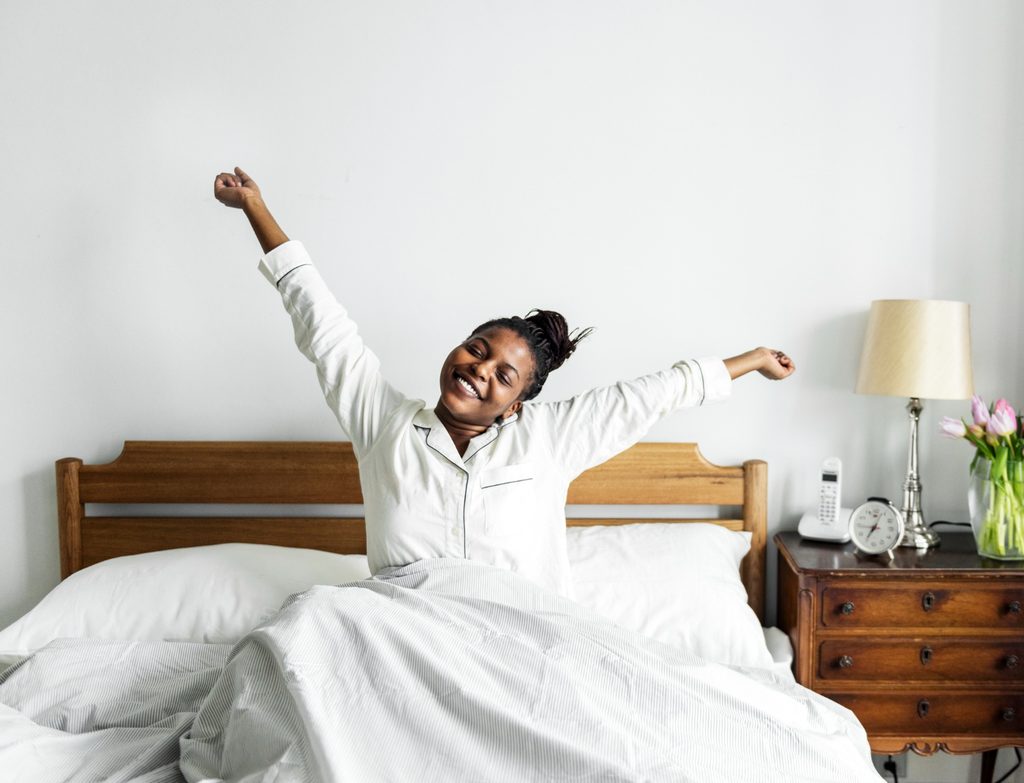
One perk of freelancing is having more control over your work hours. While client deadlines and time zones still matter, you probably have more flexibility than someone in a nine-to-five office job.
As the seasons change, notice when you feel most productive. Some people like to tackle their hardest tasks in the morning, while others focus better later in the day.
Instead of sticking to a summer routine that no longer feels right, try making a few changes. Do your complex translation or editing work when you feel most alert, and save admin tasks, invoicing, and emails for times when your focus dips.
It also helps to set a regular finishing time. When you work from home, work and personal life can easily blur, especially with clients in different time zones. Having a clear end to your day gives you more time to relax, recharge, and sleep well.
Remember, productivity isn’t about spending more hours at your desk. It’s about making your work hours as effective as possible.
Try this: For a week, jot down when you feel most focused and when your energy drops. Use what you learn to adjust your schedule and find a routine that suits you.
Make the darker months work for you
Turning the clocks back doesn’t have to lower your productivity or motivation. While shorter days and less daylight take some getting used to, small changes to your space and routine can really help.
Whether you move your desk closer to a window, take a real lunchtime walk, or give yourself more flexible hours, the goal is to build a routine that supports both your wellbeing and your work.
For freelance linguists, managing your energy and focus is especially important. Translation, editing, and interpreting all need steady attention, so having the right environment and time to recharge helps more than just your mood.
You don’t need to completely redesign your home office or change your whole schedule. Start with one or two small changes and see what works for you.
What’s your favorite way to stay energized and motivated when the evenings get darker? Share your tips with the Translation Nomads community!